

Introduction
In today’s fast-paced digital world, our devices play a crucial role in daily life. From smartphones and laptops to tablets and gaming consoles, we rely heavily on technology for communication, work, and entertainment. However, like any machine, devices are prone to wear and tear over time. This is where device repair guides become essential. They provide step-by-step instructions that help users diagnose and fix common issues without needing professional assistance.
For beginners and intermediate users, learning how to repair devices can be both cost-effective and empowering. Instead of spending money on expensive repair services, you can troubleshoot problems at home. Moreover, understanding how devices work improves your technical knowledge and confidence. Whether it’s a cracked screen, battery issues, or software glitches, having access to reliable repair instructions can make a significant difference.
Additionally, device repair guides are designed to be user-friendly. They simplify complex processes into manageable steps, making it easier for anyone to follow. As a result, more people are now turning to DIY repair methods. This guide will walk you through everything you need to know, from basic concepts to advanced techniques, ensuring you are well-equipped to handle common device issues.
What is Device Repair Guides?
Device repair guides are structured instructions that help users identify and fix problems in electronic devices. These guides cover a wide range of issues, including hardware malfunctions and software errors. They are typically written in a step-by-step format, making them easy to understand even for those with limited technical knowledge.
In most cases, device repair guides include detailed explanations, required tools, and safety precautions. For example, if your smartphone battery drains quickly, a repair guide may explain how to replace the battery or optimize settings to improve performance. Similarly, laptop repair instructions may include steps for cleaning internal components or reinstalling the operating system.
These guides are available in various formats, such as written articles, videos, and manuals. However, written guides remain popular due to their clarity and ease of reference. They allow users to follow instructions at their own pace without missing important details.
Overall, device repair guides serve as a valuable resource for anyone looking to maintain or fix their devices efficiently.
Why is Device Repair Guides Important?
Understanding the importance of device repair guides can help you appreciate their value. First and foremost, they save money. Professional repair services can be expensive, especially for minor issues that you can fix yourself with proper guidance.
Secondly, these guides save time. Instead of waiting days for a technician, you can resolve problems quickly at home. This is particularly useful for urgent situations where your device is essential for work or communication.
Another important benefit is knowledge enhancement. By following repair instructions, you learn how different components function. This knowledge can help you prevent future issues and improve device performance.
Furthermore, device repair guides promote sustainability. Repairing devices instead of replacing them reduces electronic waste, which is beneficial for the environment.
Lastly, they provide independence. You no longer have to rely on others for simple fixes. With the right guidance, you can handle most common problems on your own.
Detailed Step-by-Step Guide
Identifying the Problem
Before starting any repair, it is essential to identify the issue correctly. Begin by observing the symptoms your device is showing.
- Is the device not turning on?
- Is the battery draining quickly?
- Are there software errors or crashes?
Understanding the root cause will help you choose the correct repair method.
Gathering Necessary Tools

Once the problem is identified, gather the required tools. Common tools include:
- Screwdrivers (precision set)
- Plastic pry tools
- Tweezers
- Cleaning cloth
- Thermal paste (for laptops)
Using the right tools ensures safe and efficient repairs.
Powering Off the Device
Always turn off your device before starting any repair. This step is crucial for safety and prevents further damage. Disconnect the device from any power source.
Disassembling the Device
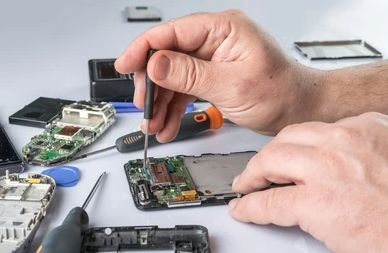
Carefully open the device using appropriate tools. Follow instructions closely to avoid damaging internal components.
- Remove screws systematically
- Keep parts organized
- Avoid using excessive force
Fixing or Replacing Components
Depending on the issue, you may need to repair or replace certain parts.
- Replace damaged screens
- Install a new battery
- Clean dust from internal components
- Reconnect loose cables
Take your time and ensure each step is done correctly.
Reassembling the Device
After completing the repair, reassemble the device carefully. Make sure all components are securely placed.
- Tighten screws properly
- Double-check connections
- Ensure no parts are missing
Testing the Device
Finally, power on the device and test its functionality. Check if the issue has been resolved. If not, revisit the steps to identify any mistakes.
Benefits of Device Repair Guides
- Cost savings by avoiding professional repair fees
- Quick solutions for common problems
- Improved technical knowledge
- Increased device lifespan
- Environmentally friendly approach
- Greater independence and confidence
- Easy access to structured instructions
Disadvantages / Risks
- Risk of damaging the device further
- Voiding manufacturer warranty
- Lack of proper tools can complicate repairs
- Time-consuming for beginners
- Some repairs require advanced skills
- Potential safety hazards if not handled properly
Common Mistakes to Avoid
One of the most common mistakes is skipping the diagnosis step. Without understanding the problem, you may apply the wrong solution, causing more damage.
Another mistake is using incorrect tools. This can lead to stripped screws or damaged components. Always use tools designed for electronics.
Rushing through the process is also risky. Device repair requires patience and attention to detail. Missing a small step can result in incomplete repairs.
Additionally, ignoring safety precautions can be dangerous. Always power off devices and handle components carefully.
Finally, failing to follow instructions accurately can lead to errors. Always read the entire guide before starting the repair.
FAQs
1. Are device repair guides suitable for beginners?
Yes, most device repair guides are designed with beginners in mind. They provide clear instructions and simple steps, making it easier to follow along.
2. Can I repair my device without professional tools?
While basic repairs can be done with simple tools, having proper equipment improves accuracy and safety. Investing in a small toolkit is recommended.
3. Is it safe to repair electronic devices at home?
Yes, it is safe if you follow proper guidelines. Always turn off the device, avoid water exposure, and handle components carefully.
4. What if the repair does not fix the issue?
If the problem persists, double-check your steps. If necessary, consult a more advanced guide or seek professional help.
5. Do repair guides cover all types of devices?
Most guides focus on common devices like smartphones, laptops, and tablets. However, specialized devices may require advanced instructions.
6. Will repairing my device void the warranty?
In many cases, opening a device can void its warranty. It is important to check the warranty terms before attempting repairs.
Expert Tips & Bonus Points
To improve your repair skills, always start with simple tasks. Gradually move to more complex repairs as you gain confidence.
Keep your workspace clean and organized. This reduces the risk of losing small components and makes the process smoother.
Take photos during disassembly. This helps you remember how to reassemble the device correctly.
Use high-quality replacement parts. Cheap components may fail quickly and affect device performance.
Stay updated with new repair techniques. Technology evolves rapidly, and keeping up with trends ensures better results.
Practice patience and consistency. Repairing devices is a skill that improves over time with experience.
Conclusion
Device repair guides have become an essential resource in today’s technology-driven world. They offer a practical and cost-effective way to fix common device issues without relying on professional services. For beginners and intermediate users, these guides provide a structured approach to understanding and solving problems efficiently.
By learning how to diagnose issues, use the right tools, and follow step-by-step instructions, you can significantly extend the lifespan of your devices. Not only does this save money, but it also contributes to environmental sustainability by reducing electronic waste. Moreover, the knowledge gained through these repairs enhances your technical skills and builds confidence.
However, it is important to approach repairs with caution. Understanding the risks and avoiding common mistakes ensures better results. Always prioritize safety and follow instructions carefully. If a repair seems too complex, seeking professional assistance is a wise decision.
In conclusion, device repair guides empower users to take control of their technology. With the right mindset and proper guidance, anyone can learn to fix common issues and maintain their devices effectively. Whether you are dealing with minor glitches or hardware problems, these guides provide the knowledge and confidence needed to handle repairs successfully.
