

Introduction
In today’s fast-paced digital world, choosing the right device can feel overwhelming. With countless options available, it becomes difficult to compare smartphones and gadgets effectively. Whether you are buying a new phone, smartwatch, or tablet, understanding the key differences is essential for making a smart investment.
Many buyers rely on brand names or price tags alone, but that approach often leads to regret. Instead, learning how to properly compare smartphones and gadgets helps you identify what truly matters based on your needs. For instance, a gamer may prioritize performance, while a photographer might focus on camera quality.
Moreover, technology is evolving rapidly. New features, updated processors, and improved designs appear almost every year. Therefore, staying informed and using a structured comparison approach ensures that you don’t waste money on unnecessary features.
This guide is designed for both beginners and intermediate users. It breaks down complex specifications into simple, easy-to-understand concepts. By the end, you will feel confident when you compare smartphones and gadgets and make a well-informed purchase decision that suits your lifestyle and budget.
What is Compare Smartphones and Gadgets?
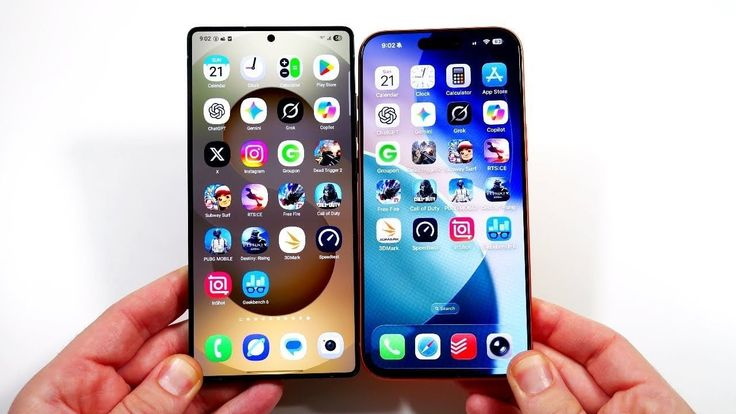
To compare smartphones and gadgets means analyzing different devices based on their features, performance, price, and usability. Instead of randomly choosing a product, you evaluate multiple options side by side to determine which one offers the best value.
This process includes examining key factors such as:
- Processor and speed
- Battery life
- Camera performance
- Display quality
- Build design
- Software experience
For example, when you compare smartphones and gadgets, you might look at two phones with similar prices but different battery capacities. One might last longer, making it a better choice for heavy users.
In simple terms, comparison helps you move beyond marketing hype. It allows you to focus on practical features that directly impact your daily usage. As a result, you avoid overspending and choose a device that meets your expectations.
Why is Compare Smartphones and Gadgets Important?
Understanding how to compare smartphones and gadgets is crucial for several reasons. First, it saves money. Without proper comparison, many people end up buying expensive devices with features they never use.
Second, it improves satisfaction. When you select a gadget based on your actual needs, you are more likely to enjoy using it daily. For example, a student may need long battery life, while a professional might require strong multitasking performance.
Another important reason is avoiding confusion. The market is filled with technical terms that can be misleading. By learning to compare smartphones and gadgets properly, you gain clarity and make decisions based on facts rather than advertisements.
Additionally, comparison helps you stay updated with trends. Technology changes quickly, and newer models often offer better value than older ones. Therefore, comparing ensures you always get the best possible deal.
Detailed Step-by-Step Guide
Step 1: Identify Your Needs
Before anything else, determine how you plan to use the device. Ask yourself:
- Do you need it for gaming?
- Is photography important to you?
- Will you use it for work or entertainment?
This step is essential because it sets the foundation for your comparison process.
Step 2: Set a Budget
Next, decide how much you are willing to spend. When you compare smartphones and gadgets within a fixed budget, you narrow down your options and avoid unnecessary confusion.
For example:
- Budget range: Basic features
- Mid-range: Balanced performance
- Premium: Advanced features
Step 3: Compare Specifications

Now focus on technical details:
- Processor: Determines speed and performance
- RAM: Affects multitasking ability
- Storage: Important for apps and media
- Battery: Measured in mAh
- Display: Resolution and refresh rate
Always compare similar categories to ensure accuracy.
Step 4: Check Real-World Performance
Specifications alone do not tell the full story. Read user reviews and watch demonstrations to understand how devices perform in daily use.
For instance, two phones with similar specs may differ in optimization, resulting in different performance levels.
Step 5: Evaluate Design and Build
Design matters more than people think. Consider:
- Weight and comfort
- Material quality
- Durability
When you compare smartphones and gadgets, a well-built device often lasts longer.
Step 6: Analyze Software and Updates
Software experience plays a major role. Look for:
- Clean user interface
- Regular updates
- Security patches
Devices with better software support remain useful for a longer time.
Step 7: Compare Price vs Value
Finally, determine whether the device offers good value for its price. A cheaper gadget is not always better if it lacks essential features.
Benefits of Compare Smartphones and Gadgets
- Helps you make informed decisions
- Saves money by avoiding unnecessary features
- Ensures better performance based on your needs
- Reduces confusion in a crowded market
- Improves long-term satisfaction
- Helps identify hidden advantages and drawbacks
- Allows smarter budgeting
Disadvantages / Risks
- Can be time-consuming
- Too many options may cause confusion
- Technical specifications may be difficult to understand
- Over-comparison can delay decision-making
- Relying on incorrect information may lead to poor choices
Common Mistakes to Avoid
One common mistake is focusing only on price. Many buyers assume that expensive devices are always better, which is not true. Instead, value matters more than cost.
Another mistake is ignoring personal needs. For example, buying a high-performance gaming phone when you only use basic apps is unnecessary.
Many people also rely solely on advertisements. Marketing often highlights strengths while hiding weaknesses. That is why it is important to compare smartphones and gadgets independently.
Additionally, overlooking battery life is a frequent error. A powerful device with poor battery performance can be frustrating in daily use.
Lastly, ignoring software updates can lead to problems in the future. Devices without updates may become slow or insecure over time.
FAQs
1. Why should I compare smartphones and gadgets before buying?
Comparing helps you understand the differences between devices and choose the one that best suits your needs and budget.
2. What features are most important when comparing smartphones?
Key features include processor, RAM, battery life, camera quality, and software experience.
3. Is a higher price always better?
No, a higher price does not always mean better value. It is important to compare features and performance instead.
4. How can beginners easily compare smartphones and gadgets?
Beginners should focus on basic features, read reviews, and compare devices within the same price range.
5. Should I rely on online reviews?
Yes, but use multiple sources to get a balanced perspective and avoid biased opinions.
6. How often should I upgrade my device?
It depends on your usage, but generally every 2–4 years is reasonable for most users.
Expert Tips & Bonus Points
To make the most out of your comparison process, always start with your priorities. This ensures you do not get distracted by unnecessary features.
Another useful tip is to compare devices launched within the same year. Older devices may seem cheaper but often lack modern features and updates.
It is also helpful to test devices physically if possible. Holding a phone in your hand provides a better understanding of comfort and usability.
Additionally, consider resale value. Some devices retain their value better, which can be beneficial when upgrading in the future.
Finally, keep an eye on seasonal discounts. Prices often drop during sales, allowing you to get better devices at lower costs.
Conclusion
Learning how to compare smartphones and gadgets is an essential skill in today’s technology-driven world. With so many options available, making the right choice requires more than just looking at price or brand names.
By following a structured approach, you can evaluate devices based on your actual needs. From understanding specifications to analyzing real-world performance, every step plays a role in helping you make a smarter decision.
Moreover, comparison not only saves money but also enhances your overall experience. When you choose the right device, it becomes a reliable tool that supports your daily activities efficiently.
Although the process may seem time-consuming at first, it becomes easier with practice. Over time, you will develop the ability to quickly identify the best options without confusion.
In the end, the goal is simple: make informed choices and avoid unnecessary regret. When you consistently compare smartphones and gadgets before buying, you ensure that every purchase adds real value to your life.
