

Introduction
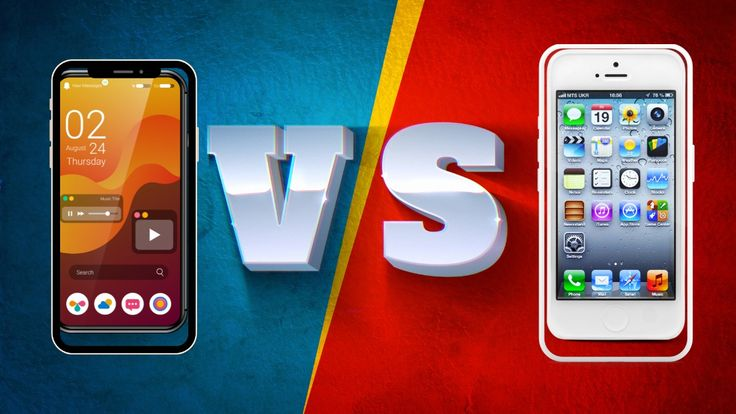
Choosing between two devices can feel overwhelming, especially when both options seem equally appealing at first glance. Whether you are comparing smartphones, laptops, tablets, or any other tech gadgets, making the right decision requires more than just looking at price tags or brand names. A proper device vs device comparison helps you understand what truly fits your needs and budget.
In today’s fast-paced digital world, technology evolves rapidly. New models are released frequently, each claiming to be better than the last. As a result, buyers often feel confused about which device offers the best value. This is where a structured comparison becomes essential. Instead of relying on marketing claims, you can analyze real features, performance, and usability.
Moreover, beginners and intermediate users often overlook key factors like long-term usability, software updates, and compatibility. These aspects can significantly impact your overall experience. Therefore, understanding how to compare devices properly can save you both time and money.
In this guide, you will learn everything about device vs device comparison. From understanding the basics to analyzing features step by step, this article will help you make smarter and more confident buying decisions.
What is Device vs Device Comparison?
Device vs device comparison is the process of evaluating two or more devices based on specific criteria to determine which one is better suited for your needs. Instead of making decisions based on guesswork, this method focuses on analyzing features, performance, pricing, and usability.
For example, when comparing two smartphones, you may look at battery life, camera quality, processor speed, and storage capacity. Similarly, for laptops, factors like RAM, processor, display, and portability play a major role.
This approach allows you to make an informed decision rather than relying on advertisements or brand loyalty. It also helps you identify which features actually matter to you, rather than getting distracted by unnecessary specifications.
In simple terms, device vs device comparison is about finding the best value for your money by carefully evaluating all relevant aspects.
Why is Device vs Device Comparison Important?
Making a purchase without proper comparison can lead to regret. Many people end up buying devices that do not meet their expectations simply because they skipped the comparison step.
First, it helps you avoid overspending. Sometimes, a less expensive device offers similar features as a premium one. Without comparison, you might pay more for features you do not even use.
Second, it ensures better performance satisfaction. When you compare devices, you can choose one that matches your usage, whether it is gaming, professional work, or casual browsing.
Additionally, device vs device comparison helps you understand long-term value. Factors like durability, software updates, and customer support become clearer during comparison.
Finally, it saves time in the long run. Instead of dealing with returns or replacements, you make the right choice from the beginning.
Detailed Step-by-Step Guide
Step 1: Identify Your Needs
Before comparing any devices, clearly define what you need. Ask yourself:
- What will I use this device for?
- How often will I use it?
- What features are essential?
For instance, a gamer will prioritize performance, while a student may focus on battery life and portability.
Step 2: Set a Budget
Budget plays a crucial role in any device vs device comparison. Decide how much you are willing to spend and stick to that range.
This helps you narrow down your options and prevents unnecessary spending.
Step 3: Compare Core Specifications

Now, start comparing the main features:
- Processor and performance
- RAM and storage
- Display quality
- Battery life
These specifications directly impact how the device performs in daily use.
Step 4: Evaluate Design and Build Quality
Design is not just about looks. It also affects usability.
- Is the device comfortable to hold?
- Is it durable?
- Is it lightweight?
A well-built device lasts longer and offers a better user experience.
Step 5: Check Software and Updates
Software support is often overlooked but extremely important.
- Does the device receive regular updates?
- Is the interface user-friendly?
Devices with good software support tend to perform better over time.
Step 6: Analyze User Reviews
Real user feedback provides valuable insights.
Look for:
- Common complaints
- Performance issues
- Durability concerns
This step helps you understand real-world performance beyond technical specifications.
Step 7: Compare Price vs Value
Finally, evaluate whether the device is worth its price.
A higher price does not always mean better quality. Focus on value rather than cost alone.
Benefits of Device vs Device Comparison
- Helps you make informed decisions
- Saves money by avoiding unnecessary features
- Improves satisfaction with your purchase
- Reduces chances of buyer’s remorse
- Highlights strengths and weaknesses of each device
- Ensures better long-term usability
- Helps prioritize essential features
- Makes shopping faster and more efficient
Disadvantages / Risks
- Can be time-consuming if not done properly
- Too many options may cause confusion
- Overanalyzing may delay decision-making
- Some comparisons may be biased or misleading
- Technical specifications can be difficult to understand for beginners
- Focusing only on specs may ignore real-world performance
Common Mistakes to Avoid
One common mistake is focusing only on price. A cheaper device may lack important features, while an expensive one may offer unnecessary extras.
Another mistake is ignoring long-term usage. Many buyers focus only on initial performance and forget about durability and updates.
Additionally, relying solely on brand reputation can be misleading. Even well-known brands release devices that may not meet expectations.
Many users also overlook compatibility. For example, accessories or software may not work across all devices.
Finally, skipping user reviews is a major error. Real experiences often reveal issues that specifications do not show.
FAQs
1. What is the main purpose of device vs device comparison?
The main purpose is to help users choose the best device based on their needs, budget, and preferences. It ensures a well-informed decision.
2. How many devices should I compare at once?
It is best to compare two or three devices at a time. Comparing too many options can lead to confusion and make decision-making harder.
3. Are technical specifications enough for comparison?
No, specifications are important but not enough. You should also consider real-world performance, user reviews, and long-term usability.
4. How important are user reviews in device comparison?
User reviews are very important as they provide real-life insights into the device’s performance, durability, and issues.
5. Should I always choose the latest device?
Not necessarily. Older models can offer excellent value and may meet your needs at a lower price.
6. How can beginners understand device specifications?
Beginners should focus on basic features like battery life, storage, and performance instead of complex technical terms. Simple comparisons can still be effective.
Expert Tips & Bonus Points
Start by focusing on your primary use case. Whether it is gaming, work, or entertainment, your needs should guide your decision.
Always compare devices within the same category and price range. Comparing a budget device with a premium one is not practical.
Look beyond marketing claims. Brands often highlight features that may not matter in real use.
Consider future needs as well. A device that works well today should also perform adequately in the coming years.
If possible, try the device physically before buying. Hands-on experience can reveal comfort and usability factors that comparisons cannot show.
Finally, do not rush your decision. Take your time to analyze all aspects carefully.
Conclusion
Making the right choice between two devices is not just about picking the most popular or expensive option. A proper device vs device comparison allows you to evaluate what truly matters based on your specific needs. By focusing on features, performance, usability, and value, you can make a smarter and more confident decision.
This process not only helps you save money but also ensures long-term satisfaction. Instead of dealing with regrets or replacements, you invest in a device that genuinely fits your lifestyle. While the comparison may take some time, the benefits far outweigh the effort.
Moreover, as technology continues to evolve, the importance of comparison will only increase. New devices will keep entering the market, making it even more essential to analyze options carefully. With the right approach, you can stay ahead and always choose the best available option.
In the end, the goal is simple: find a device that offers the best balance of performance, features, and value. By following the steps and tips in this guide, you can confidently navigate any device vs device comparison and make decisions that truly work for you.
